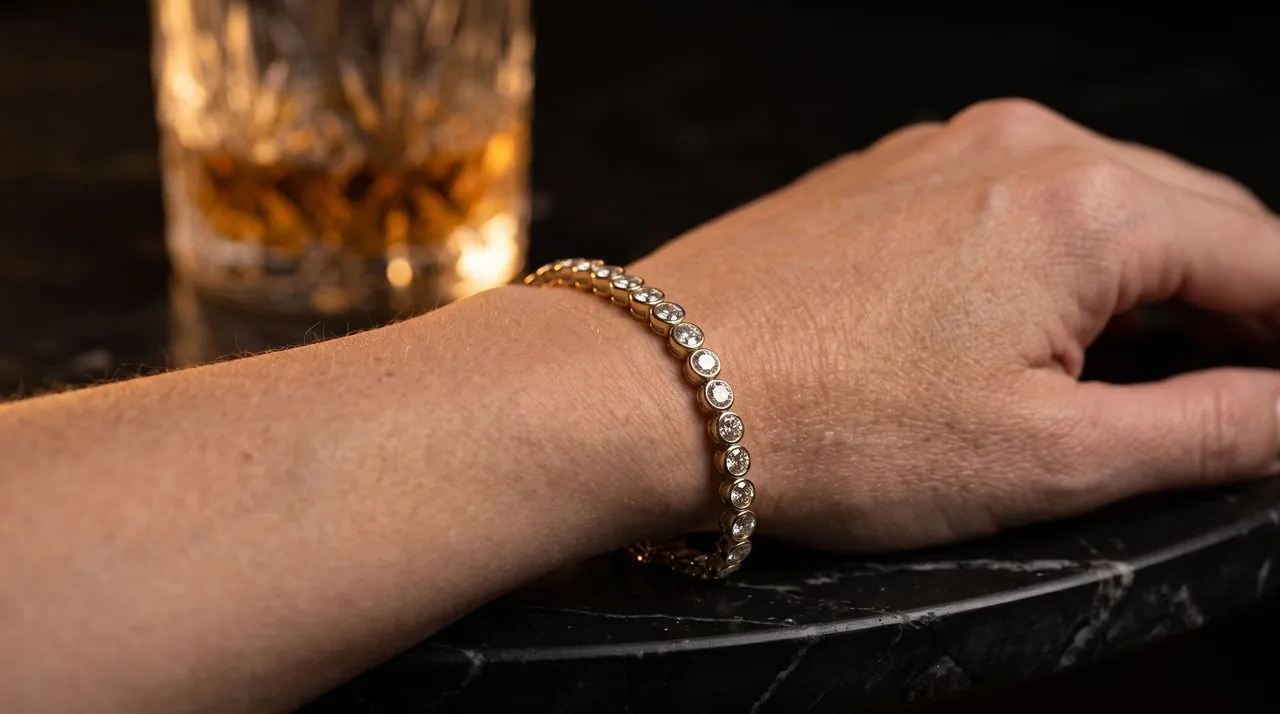
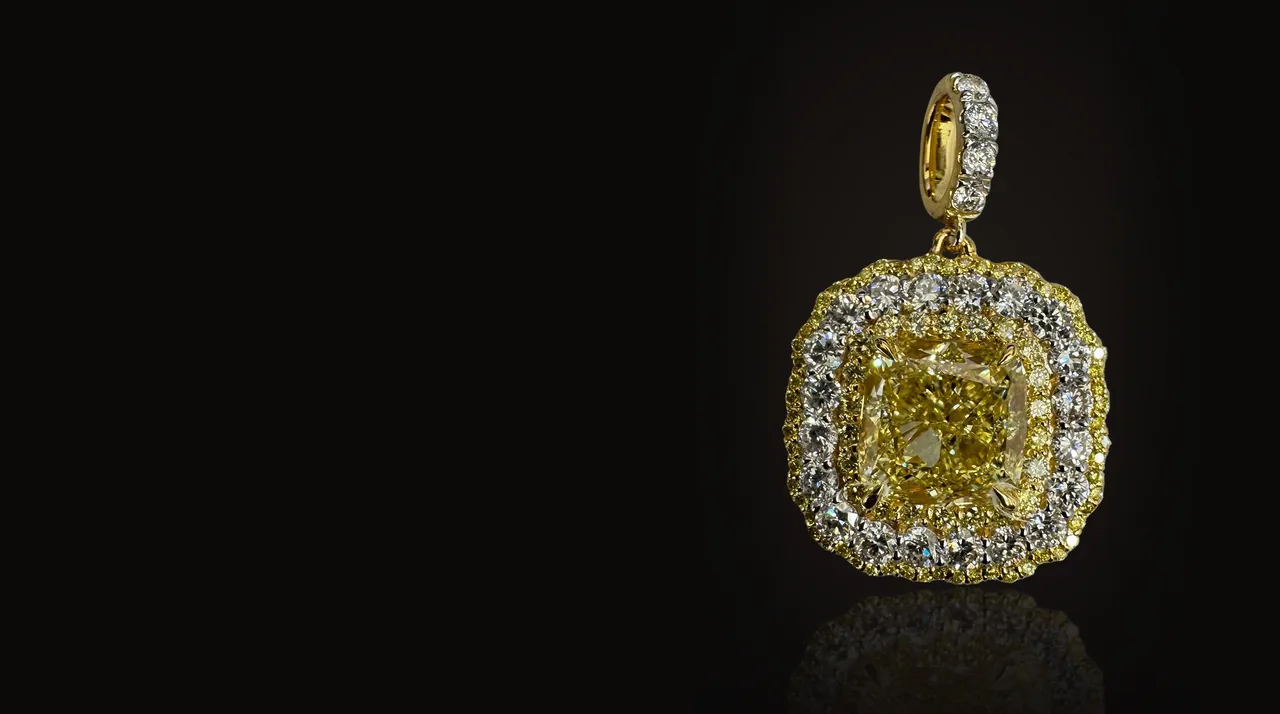
 Lab or natural?
 Find a ring size
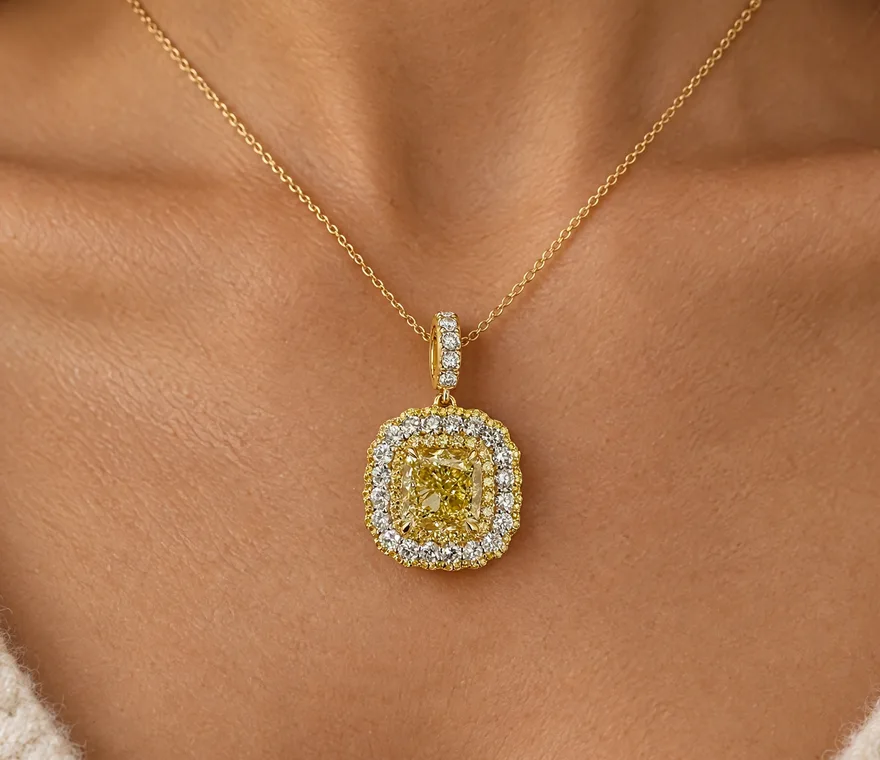 Buying on 47th Street
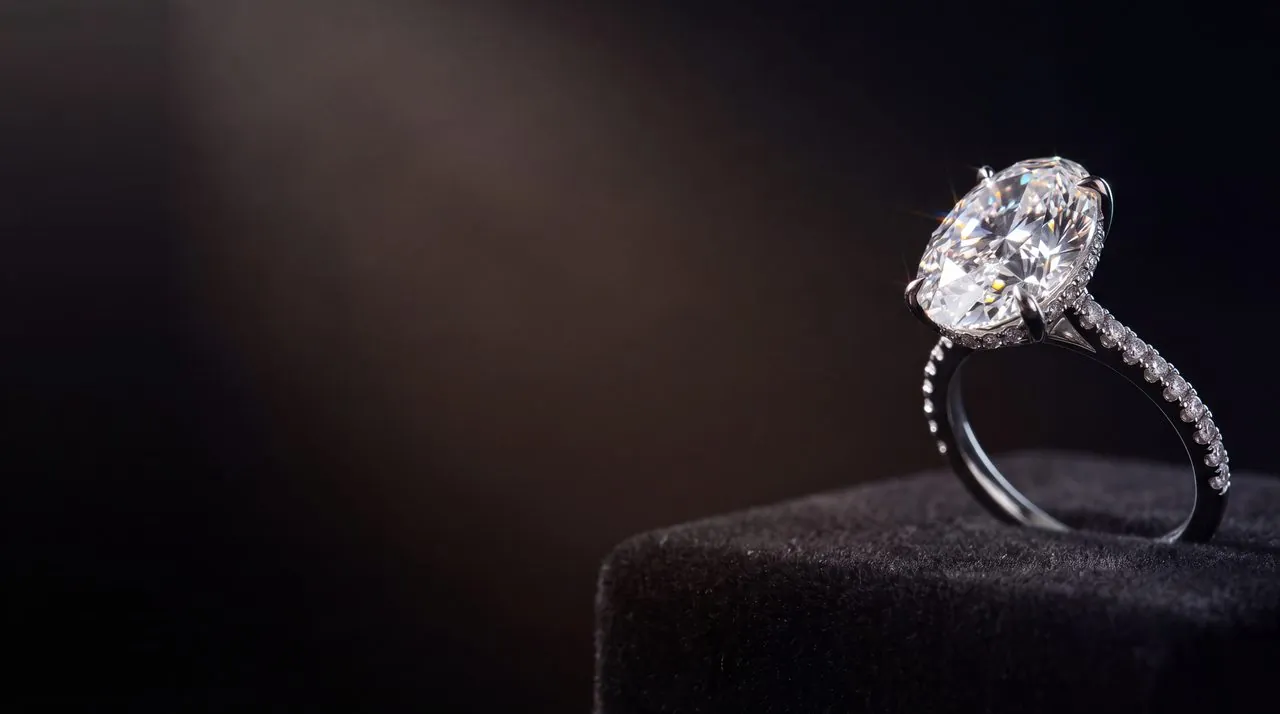
Custom engagement rings, made on 47th Street
Made for one hand, yours
Ben draws the ring with you, you approve the drawing, and only then is it made. Every ring is priced on its own: message Ben for a quote.
Start with the stone
Most rings begin with a shape. Pick one to open the studio on it, then change the metal and the stone as you like.
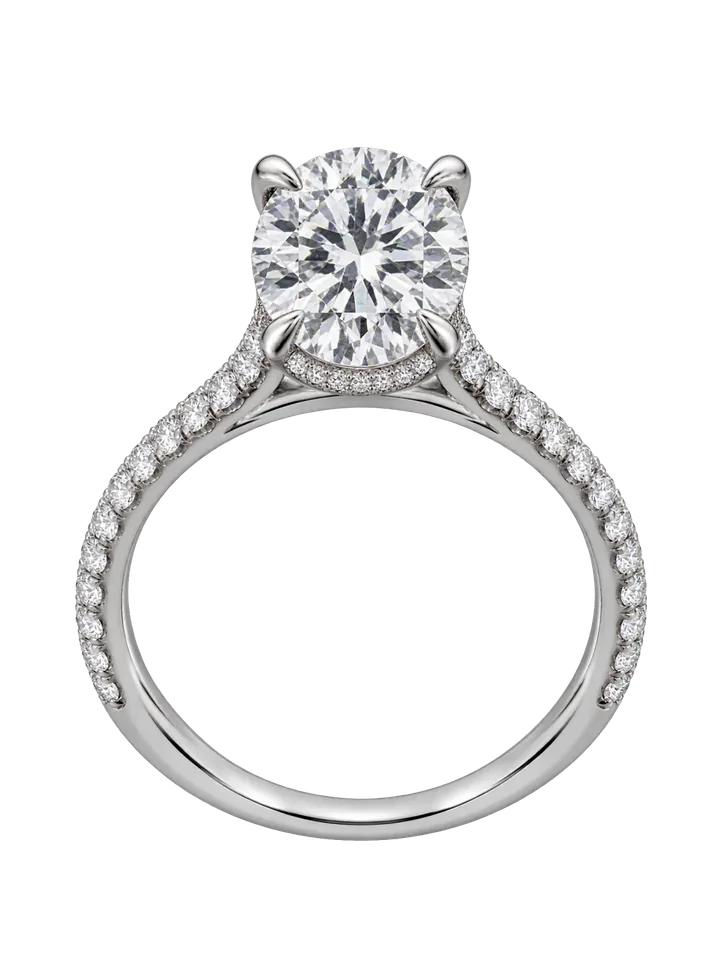
Round
The classic. The most light back to the eye.
Build a round ring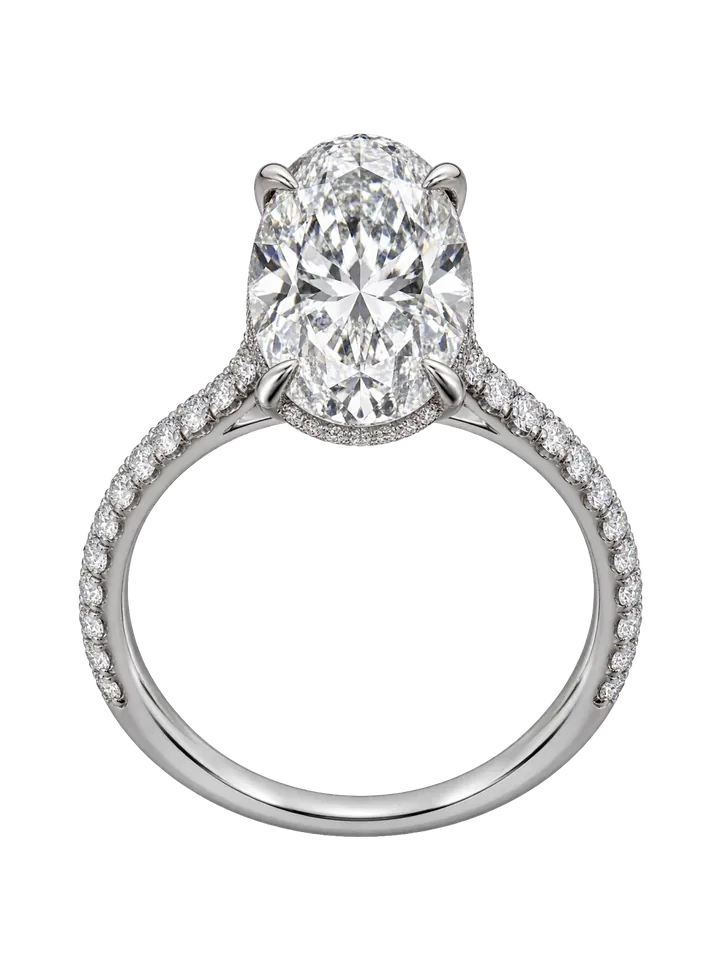
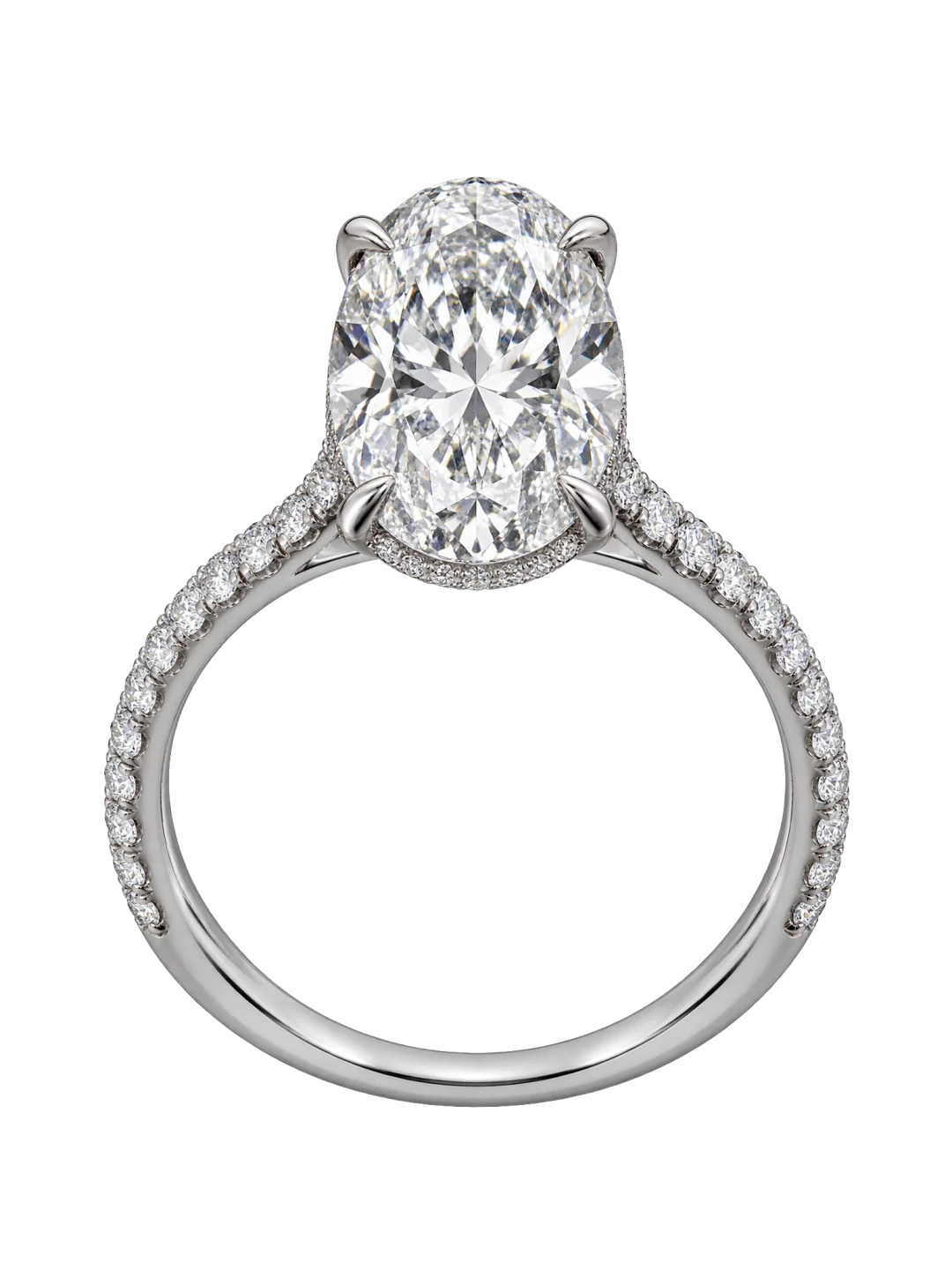
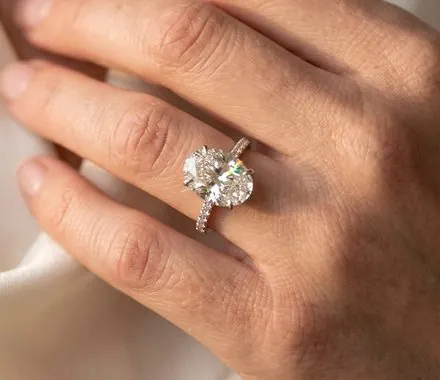
Oval
Long on the finger, and a little more modern.
Build an oval ring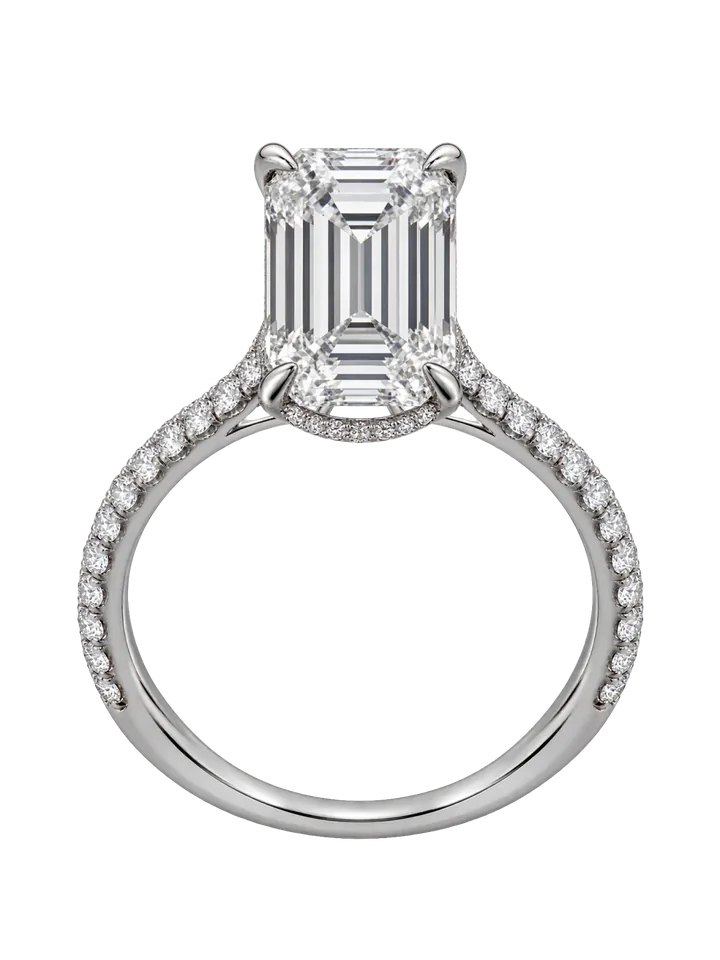
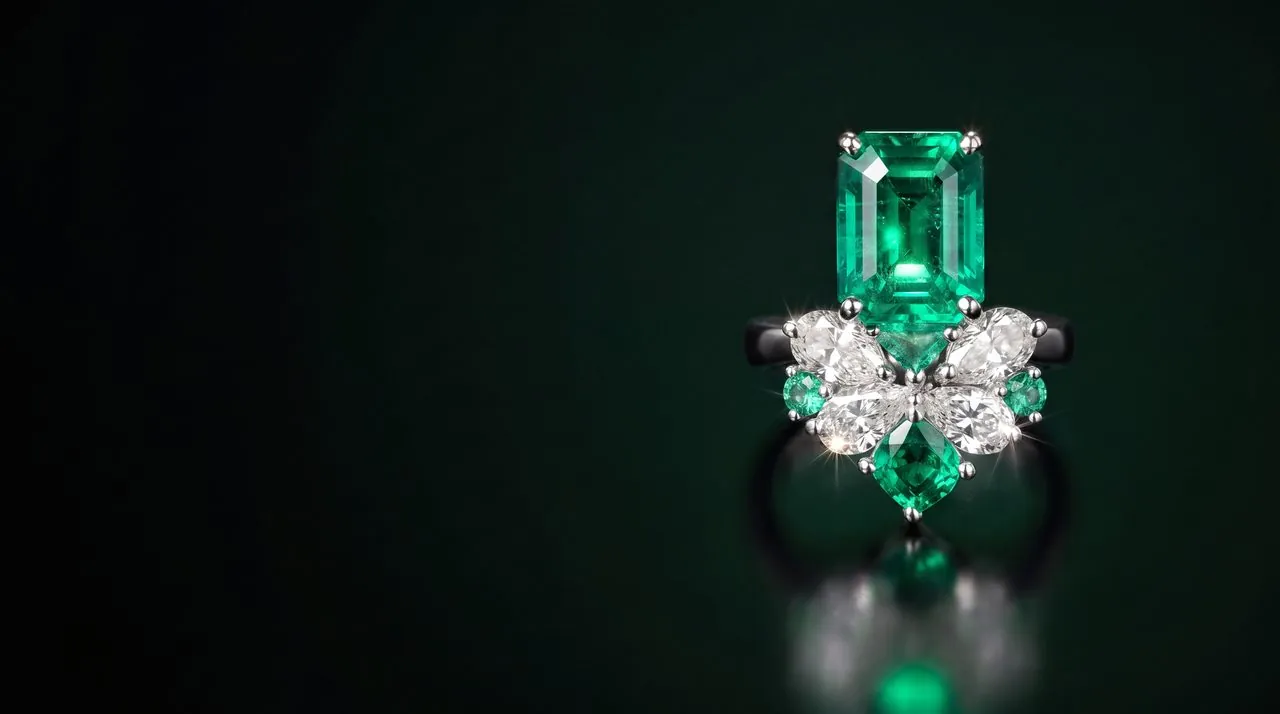
Emerald cut
Long steps and clean lines. Clarity shows.
Build an emerald cut ring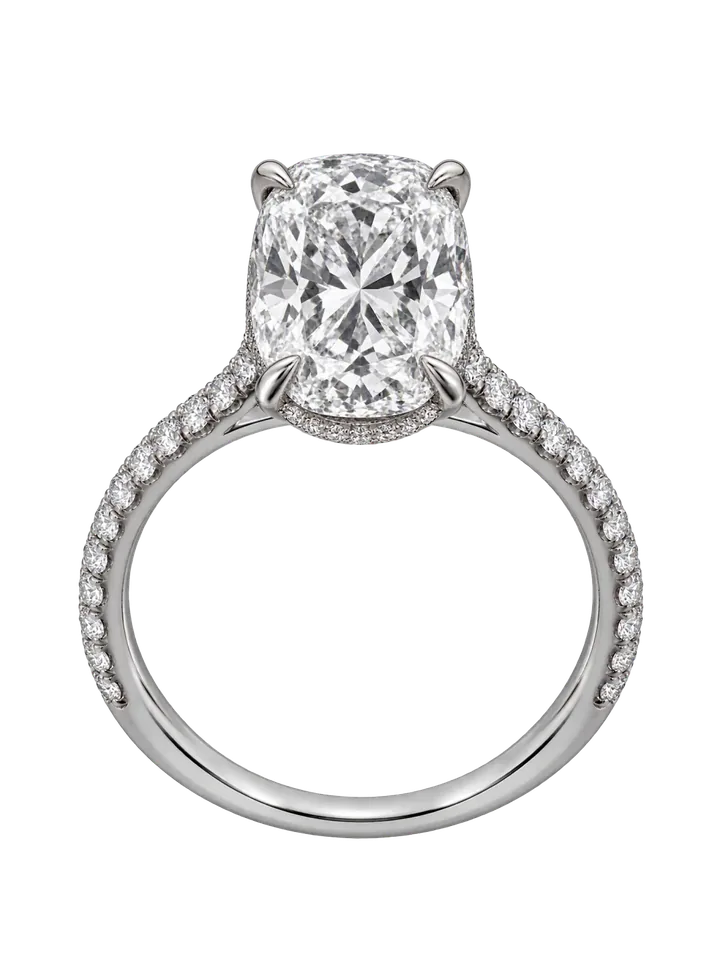
Cushion
Soft corners and a warm, old-cut look.
Build a cushion ring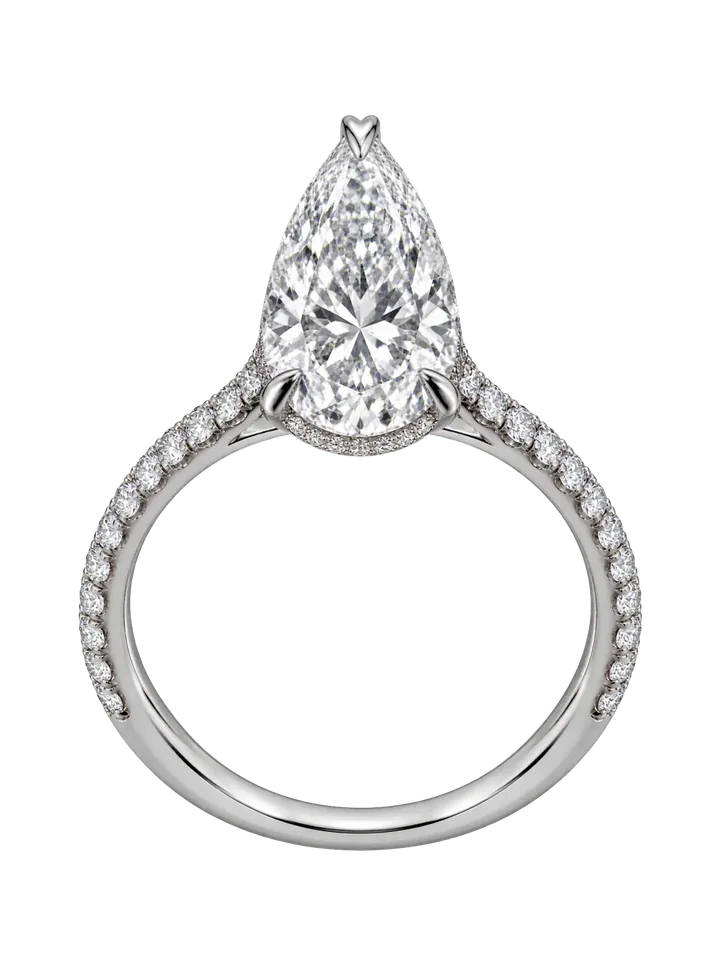
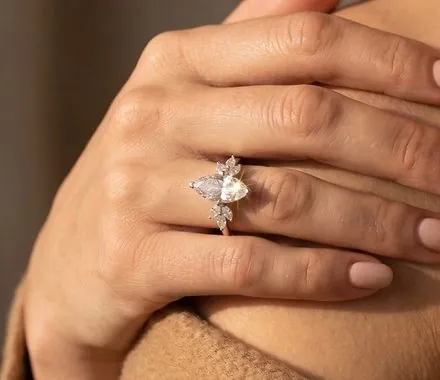
Pear
A teardrop. Point it to the nail or the wrist.
Build a pear ring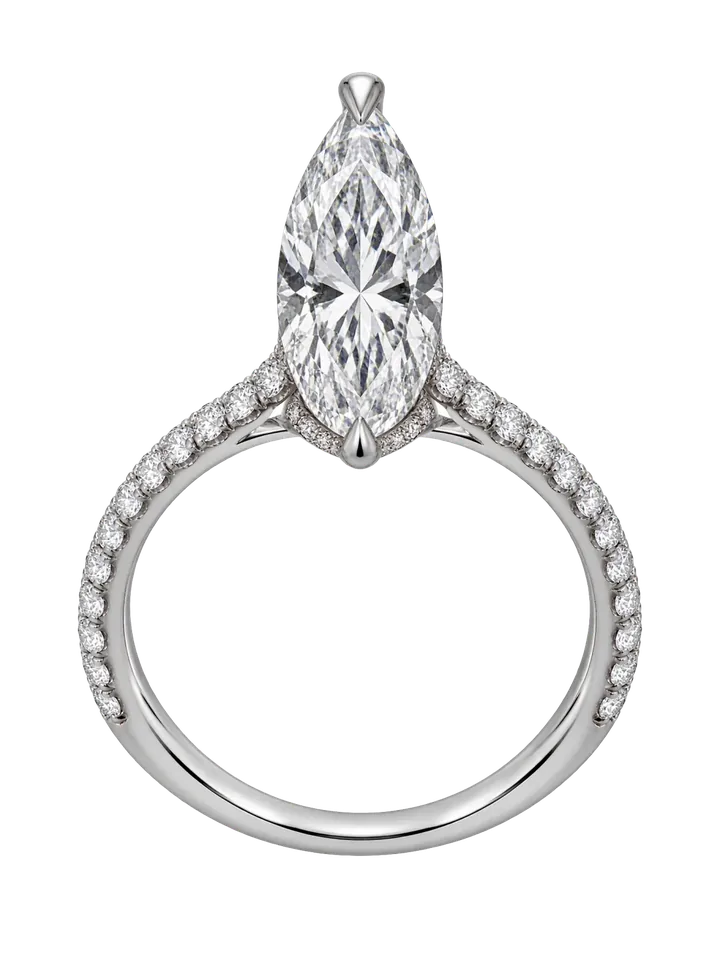
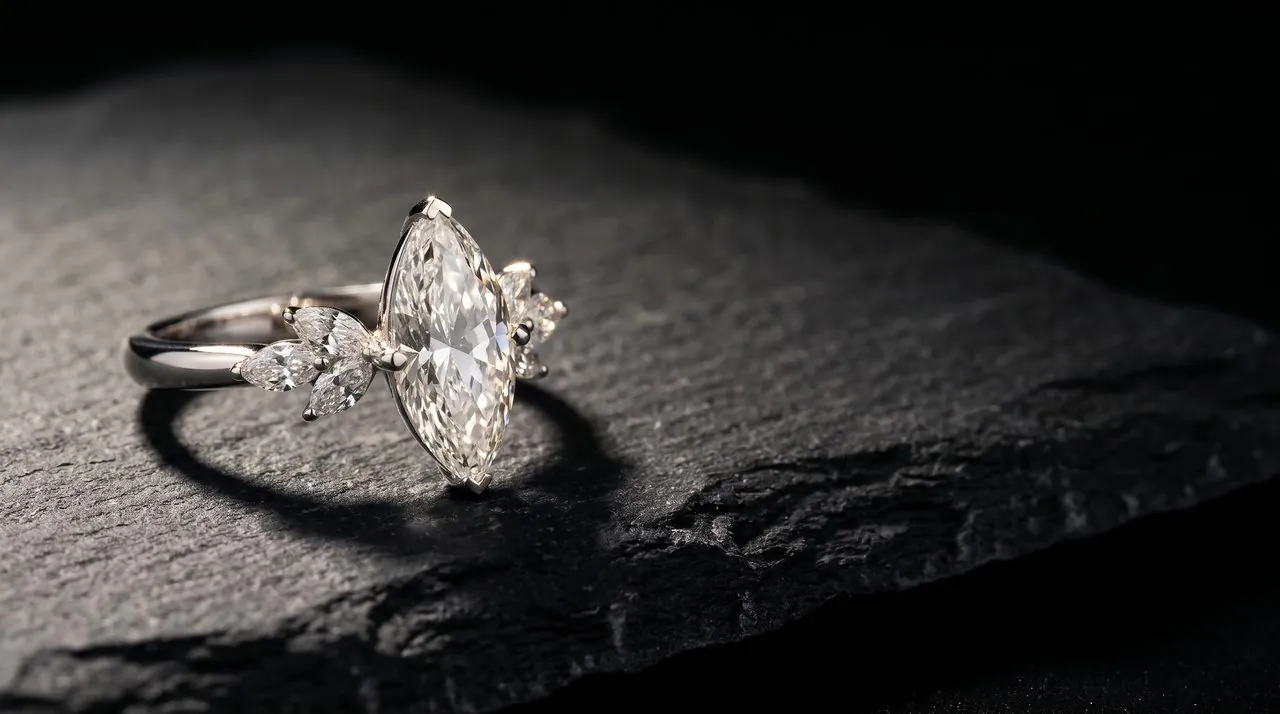
Marquise
The longest look for its weight.
Build a marquise ring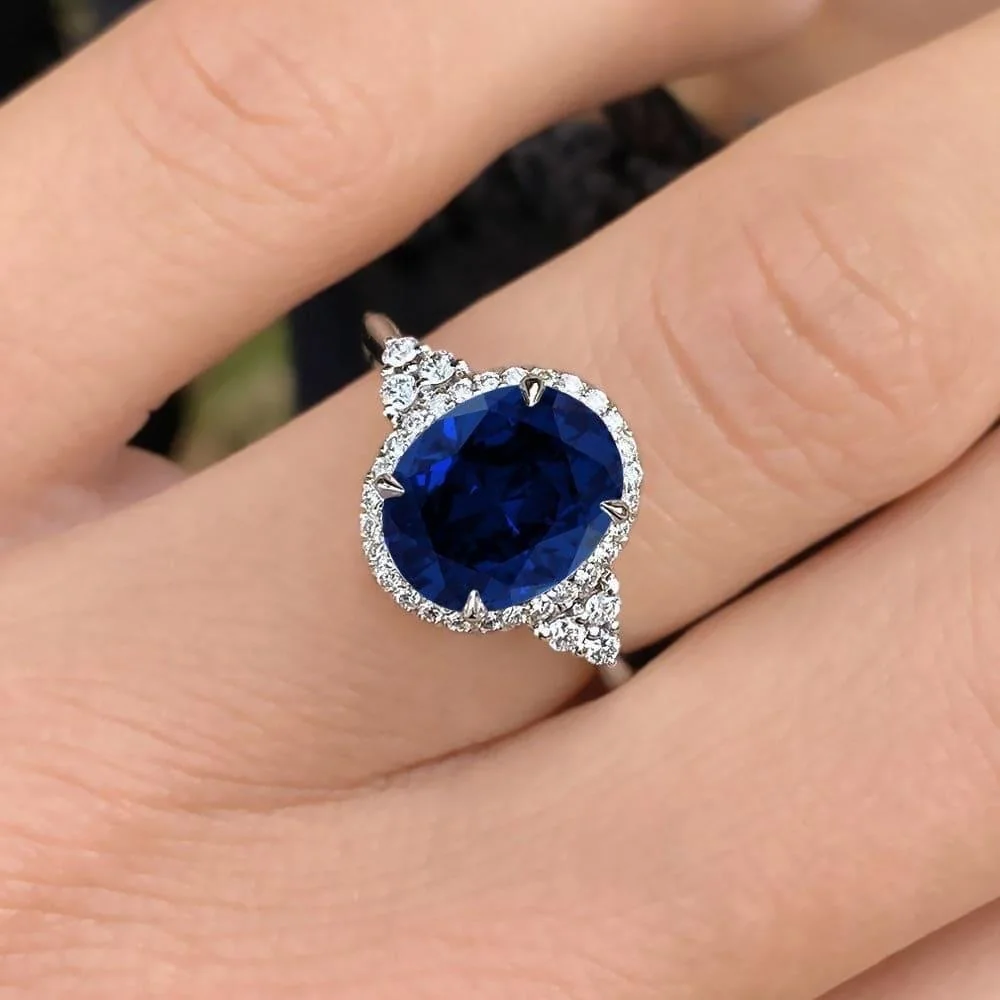
Then the setting
The setting is what makes the ring yours. It also decides how safe the stone is, how often the ring needs a look at the bench, and whether it can be resized later. Ben will show you how each one sits on your hand before you choose.
Four prongs show a little more of the stone. Six prongs hold a large round more securely, and if one prong wears or bends, the other five still hold it. If you want a wedding band to sit flush against the ring, say so at the drawing stage: a halo or a low basket can leave a gap that is easier to design out than to fix later.
Already have a stone? Every style below works with one you bring. See how Ben can set a stone you already have.
| Setting | How it looks | How secure | Upkeep | Best for |
|---|---|---|---|---|
| Prong solitaire | One stone on its own. The most stone shows, and light enters from the sides. | Good. Prong tips wear thin over years of daily wear. | Have the prongs checked every 6 to 12 months. The easiest style to clean and to resize. | A classic look, and anyone who wants the stone to be the whole ring. |
| Halo | A ring of small diamonds around the center stone. The top looks larger across the finger. | The halo shields the center stone. The small stones can loosen after a hard knock. | Many small stones to check. Dirt collects under the halo, so it needs cleaning more often. | More presence from a smaller center stone. |
| Hidden halo | From above it reads as a solitaire. A row of small diamonds under the stone shows from the side. | Like a solitaire. The small stones sit out of the way of knocks. | Clean underneath now and then, and check the small stones with the prongs. | A clean top view, with a detail you notice up close. |
| Bezel | A thin rim of metal all the way around the stone. Smooth and modern. It shows a little less of the stone's edge. | The most secure. The metal protects the stone's edge, where most chips start. | Low. There are no prongs to catch on hair, gloves or knits. | Hands that work: healthcare, the gym, the kitchen. Also a stone with a soft or chipped edge. |
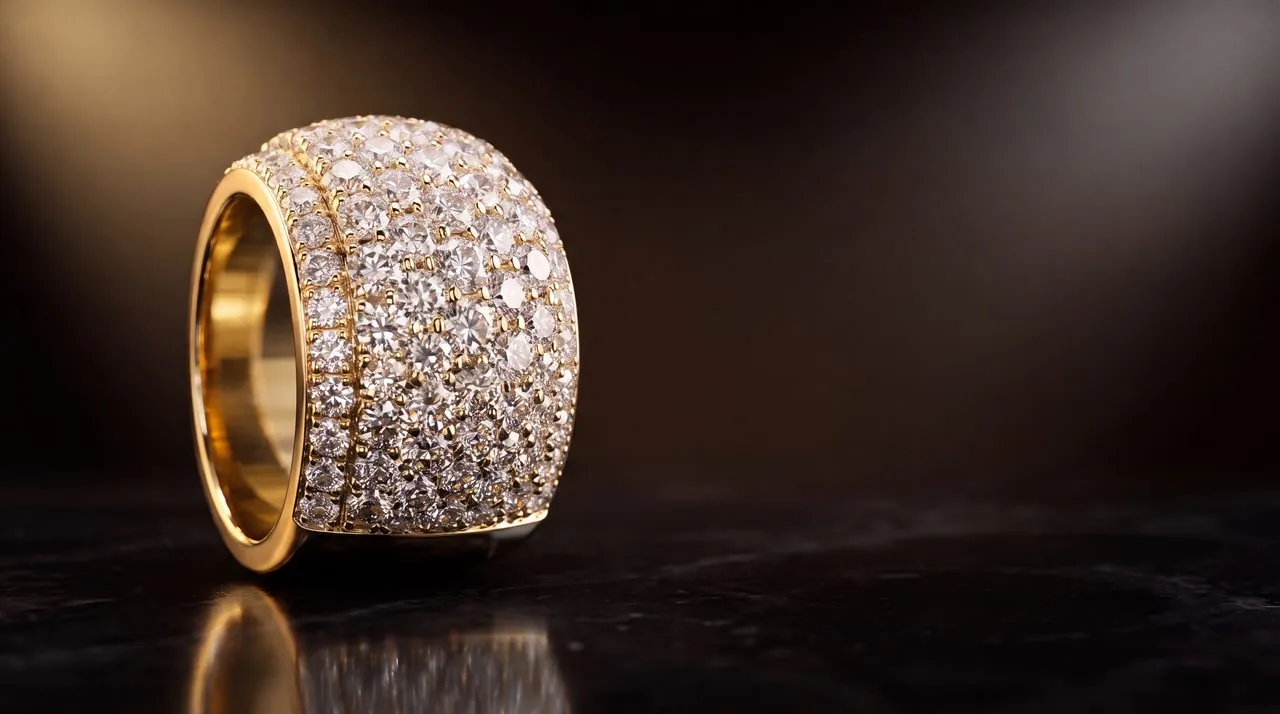
| Pavé band | Small diamonds set close along the band, so the ring sparkles all the way down. | Each small stone is held by tiny beads of metal, which wear with time. | Check and clean often. If the stones go all the way around, resizing is limited or not possible. | Extra sparkle with a simple center stone. Get the size right first. |
| Three-stone | A center stone with one on each side. Wider on the finger. The side stones can match or contrast. | Good, but there are three heads of prongs to keep an eye on. | More prongs to check. Keep the side stones low if you want less snagging. | A wider look, or adding stones that mean something to you. |
Want to see these settings finished? Look through rings Ben has made.
Platinum or gold
The metal changes the colour of the ring, how it wears, and what it needs from you over the years. This is a general guide that holds for any jeweler. Ask Ben which alloys he casts in.
| Metal | Colour | How it wears | Upkeep | Skin |
|---|---|---|---|---|
| Platinum | Naturally white, and it stays white. Usually about 95% pure, stamped PT950 or PLAT. | Dense and heavy. It scratches, but the metal moves rather than wearing away, and it takes on a soft satin look. | A polish brings the shine back. No plating to redo. It usually costs more than gold for the same ring. | Usually a good choice for sensitive skin. |
| 18k white gold | 75% gold. Underneath it is a soft greyish white, so it is usually rhodium-plated for a bright white finish. | Softer than 14k, so it shows scratches and wears a little faster. | The rhodium plating wears through with daily wear and needs redoing, often every year or two. | Some white gold alloys contain nickel. If nickel bothers you, ask which alloy is used. |
| 14k white gold | 58.3% gold. Also rhodium-plated for its bright white. | Harder than 18k, so it resists scratches and dents better. | Re-plating, the same as 18k white gold. | More likely than 18k to contain nickel. Ask if you react to it. |
| Yellow gold | 18k is a richer, deeper yellow. 14k is paler. | 14k is the tougher of the two. 18k is softer and marks more easily. | No plating. A polish now and then. | Rarely a problem. |
| Rose gold | Copper in the alloy gives the pink. 14k is pinker than 18k. | Copper makes it hard-wearing, and 14k rose gold is one of the toughest choices. | No plating. The colour is the metal itself and does not wear off. | A few people are sensitive to copper. |
Planning to wear a wedding band beside it? Pick the same metal for both. A harder metal rubbing against a softer one wears the softer one down. If a ring needs resizing later, see ring resizing and repairs.
What it costs
Every ring is made for one person, so every ring is priced on its own. Three things set the number.
- The stoneIts size and cut, and whether it is natural or laboratory-grown. This moves the price most.
- The metalPlatinum or gold, and how much of it the design needs.
- The workA plain solitaire takes less bench time than a pavé band or a hidden halo.
Already have a stone? Ben can set it. Thinking of matching earrings or a pendant as well? They are quoted the same way. Financing: Not offered
Natural or laboratory-grown
Both are real diamonds with the same hardness and sparkle. A laboratory-grown diamond is made in a lab, and a natural diamond formed in the earth. They are priced very differently, and the grading report says which one you have.
What Ben offers: Both natural and laboratory-grown, whichever you prefer
Getting the size right
A proposal ring can be a surprise and still fit. Borrow a ring she already wears on that finger and bring it in, or ask Ben how sizing after the proposal works.
Measuring a finger at the shop is free. Resizing is free on any piece you bought from VITO.
From idea to finished ring
You see and approve every drawing. Nothing is cast until you say yes.
Talk it through
In the shop, on a video call or by message. Bring photos you like.
The drawing
Ben sketches it, then makes an exact drawing to scale.
Made at the bench
Cast, set and polished once you approve.
2 to 5 business days for a simple design, 7 to 10 business days for a detailed onePick it up
Ben checks the fit and the stones with you.
Starting from a family ring? Ben can redesign an inherited ring around its stone. Want to know who you will work with? Meet Ben.
Questions people ask
How long does a custom engagement ring take?
Is there a deposit?
Can I change the drawing?
Does the diamond come with a grading report?
Which metals can I choose?
What if it needs resizing later?
Is there a warranty?
Guides for this
Draw the ring together
Pick a shape, a metal and a stone, and send it to Ben. Or send a photo of a ring you love.