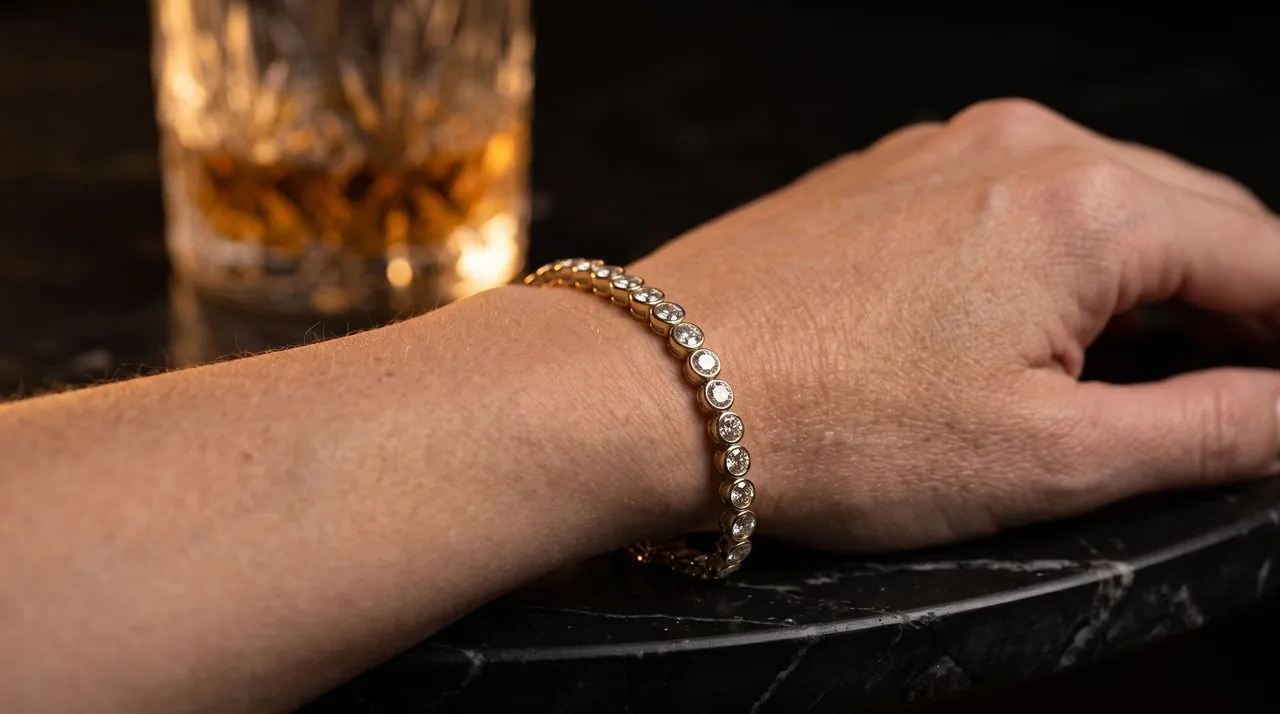
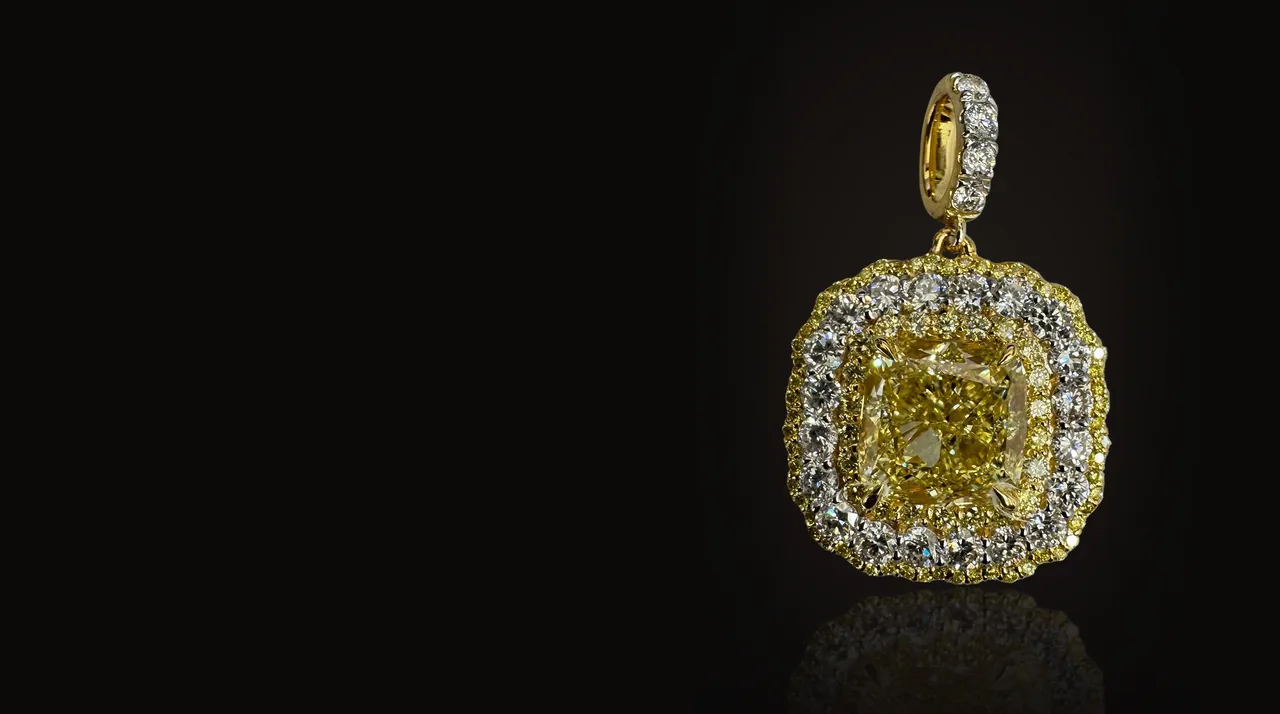
 Lab or natural?
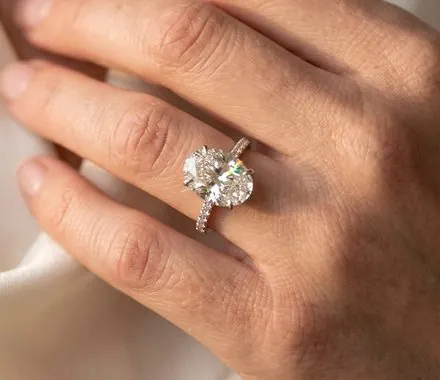
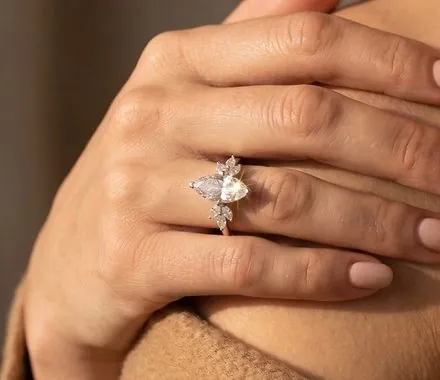 Find a ring size
 Buying on 47th Street
Lab-grown vs natural diamonds: what really differs
Laboratory-grown or natural
Both are diamonds. They differ in where they were made, what they cost and how they hold value. Here is the plain version, from a jeweler on 47th Street in New York's Diamond District.
Choosing the center stone for a custom engagement ring, or already holding a lab-grown stone you bought online and want to have set? This guide covers what is the same, what differs, and how to check the paperwork.
For an engagement ring, worn every day for decades, the two wear the same: equally hard, equally bright, and set the same way. So the choice comes down to two questions. How much stone do you want for the budget, and does it matter to you that the stone could be sold one day? If size matters more, laboratory-grown. If rarity or resale matters more, natural.
What is the same
A laboratory-grown diamond is real diamond: the same carbon, in the same crystal structure, with the same hardness. GIA, the lab that created the modern grading system, says laboratory-grown diamonds have essentially the same chemical, physical and optical properties as natural ones. You cannot tell them apart by eye, and most jewelers cannot tell with a loupe. It takes lab equipment.
They are graded the same way, for cut, color, clarity and carat weight.
What is different
Where it formed. A natural diamond formed deep in the earth over a very long time and was mined. A laboratory-grown diamond is grown in a lab in weeks, by one of two methods, called HPHT and CVD.
HPHT or CVD: does it matter to you? Not for how the stone looks. The method only matters to the lab that grades it, and the report says which one was used.
Price. A laboratory-grown diamond usually costs much less than a natural diamond of the same size and grade, and laboratory-grown prices have fallen a lot in recent years.
Resale. Natural diamonds have an established resale market. Laboratory-grown diamonds have little resale value today. If you may sell the stone one day, ask before you buy.
Rarity. Some people want a stone that is rare by nature. Others want the biggest, cleanest stone their budget allows. Both are good reasons.
The words sellers must use
The US Federal Trade Commission's Jewelry Guides (16 CFR Part 23) say a seller must clearly disclose a laboratory-grown diamond with words like "laboratory-grown", "laboratory-created" or "[manufacturer name]-created". Calling a lab-made stone just "diamond", or using "cultured" on its own, can mislead. When the FTC updated the Guides in 2018, it took the word "natural" out of its definition of a diamond. A laboratory-grown diamond is a diamond, and it must be disclosed as laboratory-grown.
On this site, every laboratory-grown stone is called laboratory-grown. If a stone is not labeled that way, ask.
Reading the report
Grading labs such as GIA and IGI issue reports for both kinds, and the report states clearly whether the diamond is natural or laboratory-grown. Many stones also carry their report number laser-inscribed on the edge.
You can look up any report yourself: GIA Report Check, or IGI's report lookup. GIA explains how laboratory-grown diamonds are made, and how labs tell them apart, in HPHT and CVD diamond growth processes.
What Ben offers
Both natural and laboratory-grown, whichever you prefer
Reports: A certificate and an appraisal come with your piece
Pick the stone, then the ring
Build a ring in the studio and tell Ben which kind of diamond you want, or ask him what he would suggest for your budget.