 Lab or natural?
 Find a ring size
 Buying on 47th Street
Guide / Your first appointment
What to bring to a custom jewelry appointment
Bring photos of what you like, the size of the finger it is for, a budget range and the date you need it. If a stone or an old piece should go into the new one, bring it too, with any paperwork it came with.
- The checklist
- Photos that help
- Size and how you live
- Your stone or old gold
- Budget and date
- What happens in the room
A first appointment with a custom jeweler is the start of how a custom piece is made: you talk through the idea, look at stones and metal, and the jeweler starts to draw. What you bring decides how far that first hour gets you. With the right things on the table, you can leave with a sketch and a clear next step instead of a list of questions.
The checklist
| Bring | Why it helps |
|---|---|
| Photos of pieces you like | Three or four is plenty. Say what you like about each one. |
| One photo you do not like | It rules out a whole direction in a minute. |
| A ring that fits | Worn on the same finger, so the size can be read from it. |
| Rings it will sit next to | A wedding band or a ring on the next finger changes the height and the metal. |
| Your stone and its report | The setting is drawn around that exact stone. |
| Old pieces to reuse | The stones and the stamps inside them decide what is possible. |
| A budget range | It narrows the stones you are shown in the first five minutes. |
| The date you need it | A proposal or a wedding date shapes every other choice. |
| A photo ID | Many buildings on 47th Street check ID at the lobby desk. |
Photos that help, and photos that do not
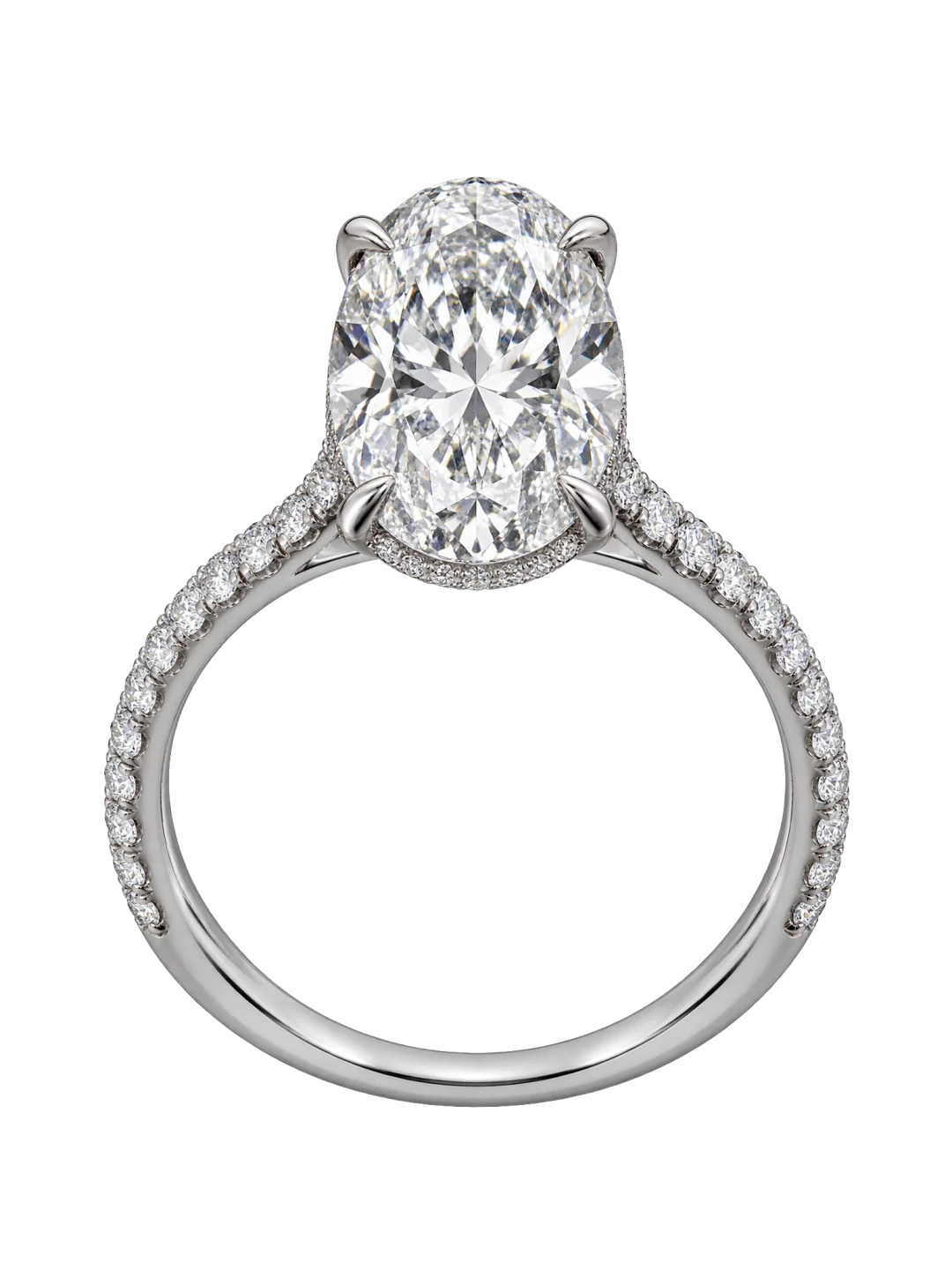
Most people bring screenshots of a ring shot from above, on a white background. That shows the shape of the stone and not much else. The photos a bench jeweler can actually work from are these.
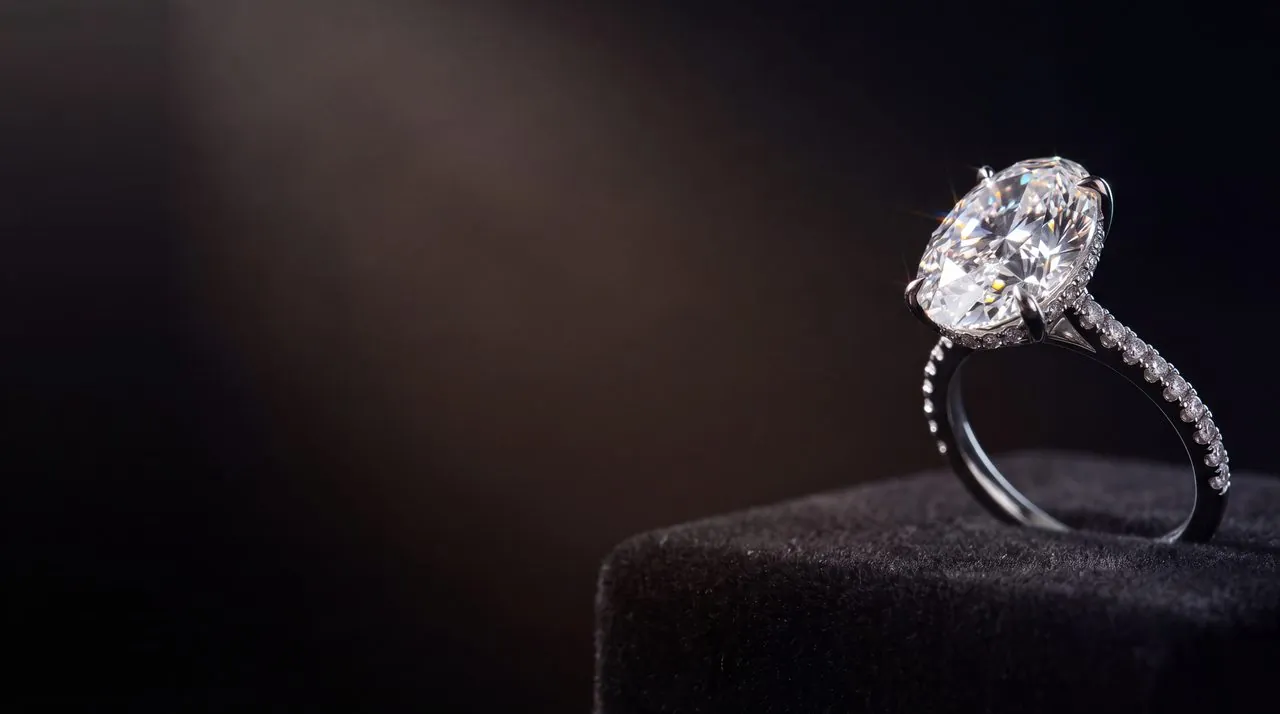
- A side view. It shows how high the stone sits and how the band meets the setting. Height decides how a ring feels in daily life, and a top view hides it completely.
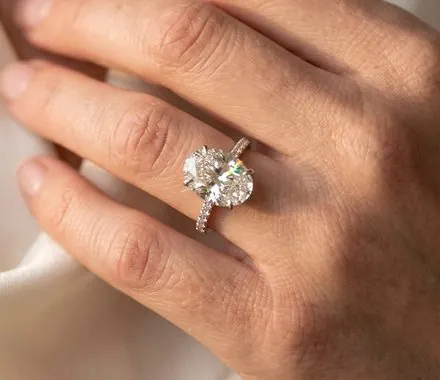
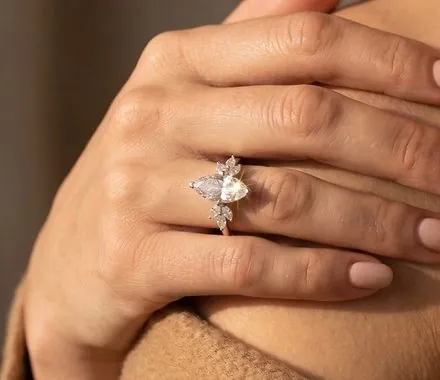
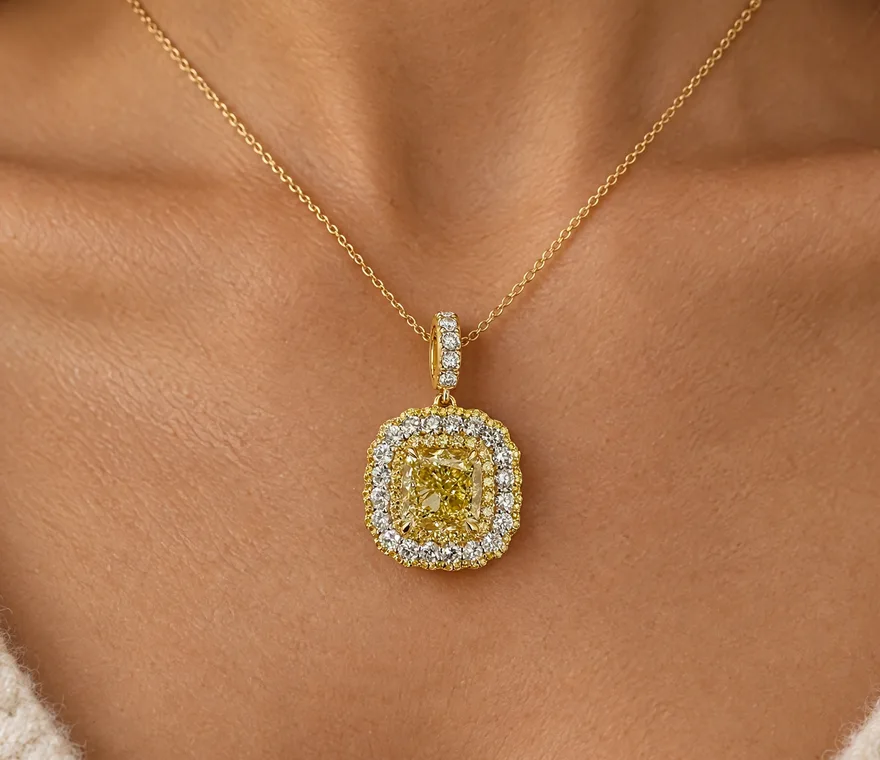
- The piece on a hand or a neck. Product photos are often enlarged. On a real hand you can judge the size of the stone and the width of the band.
- Close-ups of the detail you love. If it is the thin band or the little diamonds on the side, show that part. Otherwise the jeweler has to guess which part of the photo you mean.
It also helps to say where a photo came from. A piece from a big brand may be shown with a stone far larger than you plan to buy, so the proportions will change when it is drawn around yours.
Size, and how you live
For a ring, the size matters before anything is made, because a band with stones all the way around is hard to change later. Bring a ring that fits the same finger, or read how to find your ring size before you come. The surest way is to be sized in the shop with real sizing rings, at the end of the day when fingers are largest.
Then tell the jeweler how the piece will be worn. If you work with your hands, wear gloves, lift weights or care for small children, say so. A tall setting with sharp prongs catches on gloves and sweaters. A lower setting, or a bezel that wraps the stone in metal, wears more quietly. This is the kind of detail that changes the drawing, and it is easier to say at the first meeting than to fix after casting.
If you bring a stone or old gold
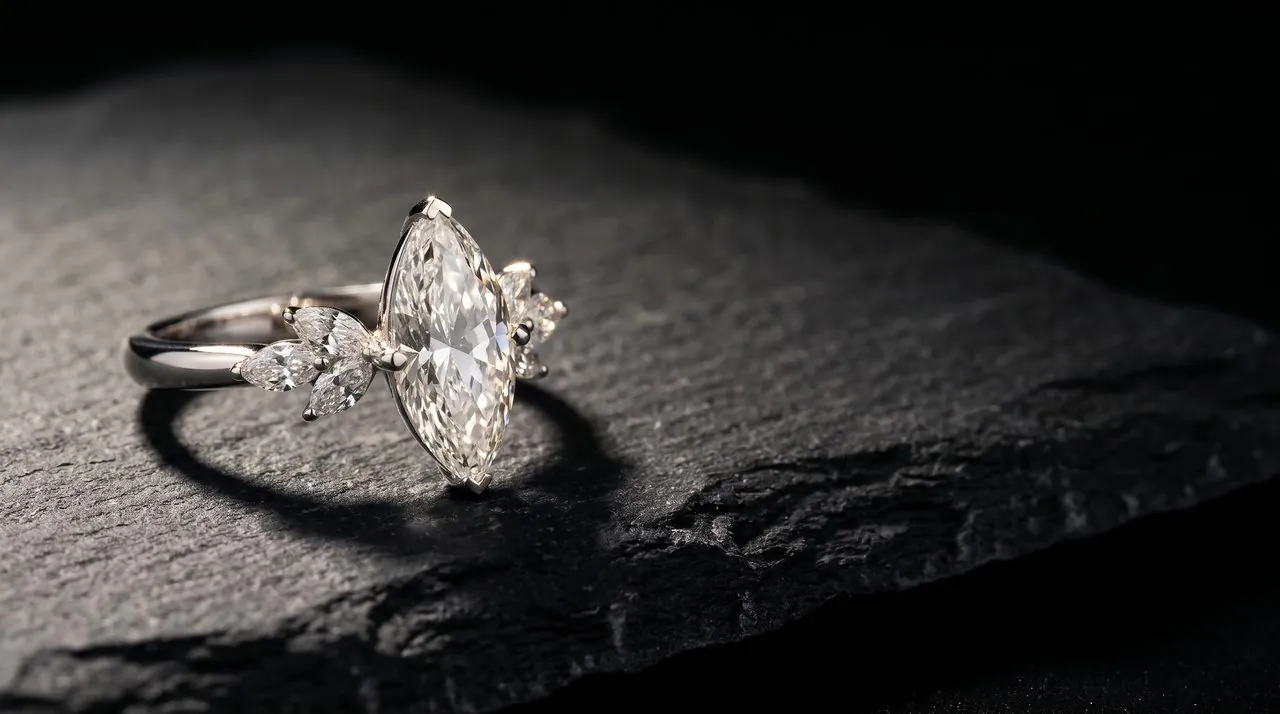
If you already have the stone, bring it, and bring its report if there is one. The jeweler will weigh it, measure it with a gauge in millimeters, and look at it under magnification for chips near the edge or a feather that reaches the surface. The setting is then drawn to those exact measurements. A stone that is cut deep sits higher and needs a taller setting; a pear or a marquise needs its points protected. None of that can be decided from a photo.
If you are bringing old jewelry, such as a grandmother's ring or a broken chain, bring all of it, even the parts you think are useless. Look inside for stamps first. Small marks like 585, 750 or PT950 tell the jeweler the metal. Old stones should be checked before they are taken out, because a stone that has been worn for fifty years may have a chip hidden under a prong. If reworking an old piece is the plan, read about redesigning a family piece before you come.
Your budget and your date
Many people hold back the budget, worried it will be used against them. In custom work, it does the opposite. On 47th Street a jeweler can often borrow stones from dealers in the same building to show you, so a clear range means you see three stones you can actually buy instead of ten you cannot. A range is enough. "Somewhere between this and that" works.
Say the date you need it at the very start, even if it feels far away. A proposal, a wedding or a birthday sets how much time there is for the drawing, for a casting to be checked and redone if needed, and for finding the right stone. A tight date can narrow the choice of stones. Telling the jeweler early leaves the most room.
What happens in the room
Expect to talk first. The jeweler asks what the piece is for, who will wear it, and what you like about your photos. Then you look at stones, metals and settings, and the idea is sketched. At VITO, nothing is made until you have seen the drawing and said yes.
Questions worth asking at any shop, before you pay anything:
- Who draws the piece, and when do I see the drawing?
- What does the deposit pay for, and what happens to it if I change my mind?
- How many changes to the drawing are included?
- What will the written order list: the stone, the metal, the price, the date?
- Can I see the stone again, set, before I pay the balance?
Write the answers down, or ask for them in a message. A good jeweler is glad to put them on paper.
Cannot come to New York? Most of this works on a video call. Send the photos first, have your ring and any stone with you, and hold them up to the camera. You can still come in later to see stones in person and to pick up.
Ready for the first meeting
Send Ben your photos and a rough budget, or book a time at the shop. See every step from drawing to pickup.