 Lab or natural?
 Find a ring size
 Buying on 47th Street
Guide / Colored stones
Sapphire, ruby or emerald: which survives daily wear
Sapphire and ruby are hard and tough enough to wear every day for a lifetime. Emerald is softer and more brittle, so it can be an engagement ring, but only in a protective setting and with some care.
- Hardness, toughness and cleavage
- The three stones compared
- Treatments, and why they matter
- Settings that protect a colored stone
- The verdict, stone by stone
A colored center stone is one of the most common requests for a custom engagement ring, and the question that should come first is whether the stone will still look right in twenty years of daily wear. This guide covers the three properties that decide that, how treatments change the answer, and which settings help.
Hardness, toughness and cleavage
People usually ask about hardness, but three different things decide how a stone wears.
Hardness is resistance to scratching, measured on the Mohs scale from 1 to 10. Diamond is 10. Sapphire and ruby, which are the same mineral (corundum) in different colors, are 9. Emerald, a kind of beryl, is 7.5 to 8. Ordinary dust contains quartz, which is 7, so anything softer than 7 slowly loses its polish just from daily life. All three stones here are above that line, which is why they are on this list at all.
Toughness is resistance to chipping and breaking when the stone is knocked. It is separate from hardness. GIA rates ruby and sapphire as having excellent toughness. Emerald is rated poor to fair, because most emeralds are full of tiny inclusions and fractures that weaken the stone from the inside.
Cleavage is a tendency to split cleanly along a flat plane inside the crystal. Diamond, surprisingly, has perfect cleavage: the hardest stone there is can split from one hard knock at the wrong angle. Corundum has no true cleavage. Emerald's cleavage is indistinct, but its inclusions do the same job, giving a crack somewhere to start.
The three stones compared
| Stone | Mohs hardness | Toughness | Cleavage | Common treatments | Daily wear |
|---|---|---|---|---|---|
| Sapphire | 9 | Excellent | None | Heating, very common and stable | Yes |
| Ruby | 9 | Excellent | None | Heating; sometimes lead-glass filling | Yes, if not glass-filled |
| Emerald | 7.5 to 8 | Poor to fair | Indistinct; inclusions weaken it | Oil or resin in the fractures, nearly universal | With care and a protective setting |
| Diamond, for comparison | 10 | Good | Perfect, in four directions | Usually none on a reported stone | Yes |
Treatments, and why they matter
Most colored stones sold today have been treated in some way, and that is normal. What matters is which treatment, because some are permanent and some need care. The US Federal Trade Commission's Jewelry Guides say a seller should disclose a treatment that is not permanent, that creates special care needs, or that significantly affects the stone's value.
- Heated sapphire and ruby. Heat improves color and clarity, and the result is permanent. This is the most common treatment in the trade and it does not change how the stone wears.
- Lead-glass filled ruby. Low-grade ruby with many fractures is filled with a glass that contains lead, so it looks clean. GIA calls these composite rubies. They cost far less than an untreated or heated ruby, and they are fragile: the glass can be etched by household acids, and it can be damaged by a jeweler's torch.
- Oiled or resin-filled emerald. Almost every emerald has had oil or resin worked into its fractures to hide them. It is accepted practice, but the filler can dry out or be pushed out over years. Ultrasonic cleaners and steam can do that quickly, so an emerald should be cleaned with warm water and a soft brush only.
The way to know what you are buying is a report from a lab that tests colored stones, such as GIA, AGL, Gübelin or SSEF, which states the treatment. Lab-created sapphire and ruby also exist and have the same hardness as natural ones, much as laboratory-grown and natural diamonds share the same properties. The report says which you have.
Settings that protect a colored stone
The setting can make up for a lot. These are the choices that help most, softest stone first.
- A bezel. A rim of metal all the way round covers the edge of the stone, where most chips start. It is the most protective setting, and the first one to consider for an emerald.
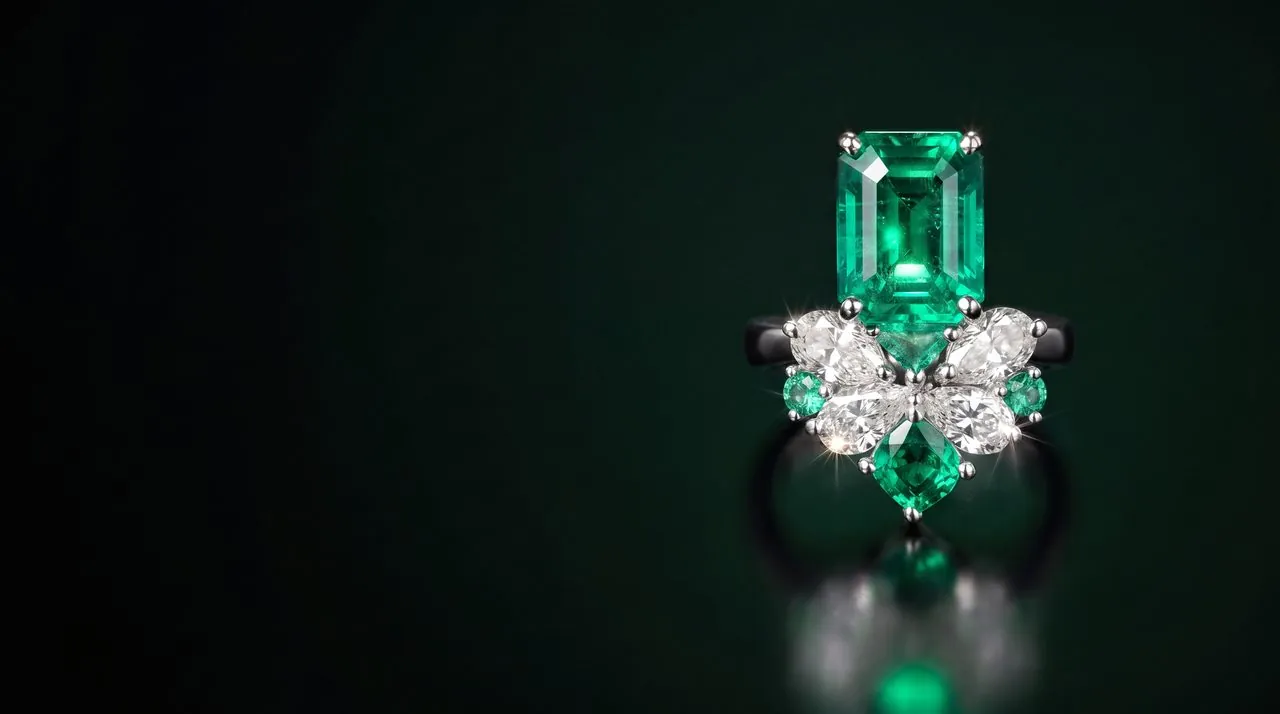
- The emerald cut itself. The step-cut shape with its corners cut off was developed for emerald so the corners would not chip. A sharp-cornered shape such as a princess cut is a poor choice for emerald.
- Prongs that cover the points. On a pear, marquise or any shape with a point, a V-shaped prong over the point protects the thinnest part of the stone.
- A lower profile. A stone that sits close to the finger gets knocked less than one sitting high. Ask how high the stone will sit before the design is final.
- A halo. A ring of small diamonds around the center acts as a bumper, though the small stones need their own checks.
If you already have a colored stone, from family or bought loose, Ben can set a stone you bring in. Tell him what the stone is and bring any report, so he knows how to handle it.
The verdict, stone by stone
Sapphire
The best colored stone for an everyday engagement ring. Hard, tough, no cleavage, and its usual treatment is permanent. Blue is the classic, but sapphire also comes in pink, yellow, green, white and the orange-pink called padparadscha, all with the same durability. Any setting works.
Ruby
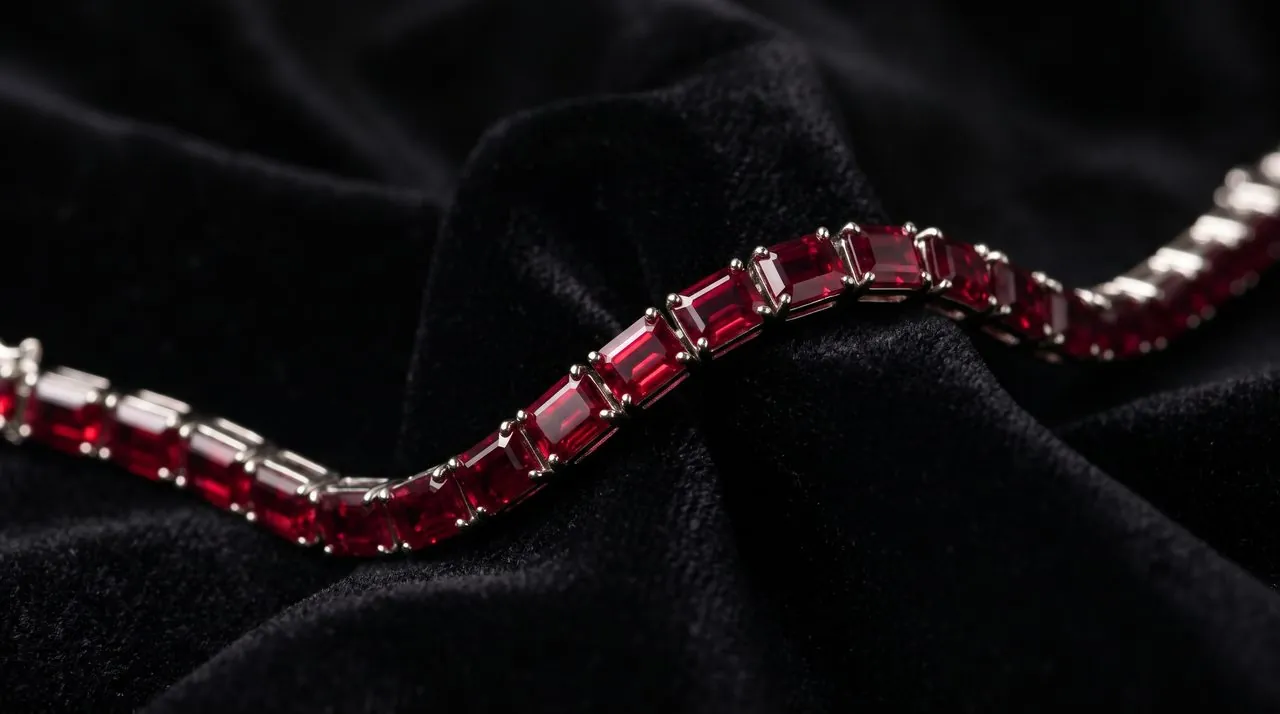
As durable as sapphire, because it is the same mineral. The one thing to check is whether the stone is glass-filled. A ruby priced far below others of its size and look is worth asking about, and a report settles it. A heated or untreated ruby can be worn like a sapphire.
Emerald
Beautiful, and a fair choice if you know what it needs. Choose a bezel or a well-guarded emerald cut, keep the stone fairly low, and take the ring off for the gym, gardening, cleaning with chemicals and anything where your hands take knocks. Have the setting checked about once a year. Emeralds can be re-oiled by a gem lab or a jeweler if they start to look cloudy.
If none of these fits your life, a colored stone can still be part of the ring as side stones, which take fewer knocks than the center.
Talk through the stone before the ring
Tell Ben which stone you have in mind and how you live with your hands. He will suggest a setting to suit it.